
Living in Karachi, Lahore or Islamabad means dealing with high humidity, hard water and constant pollution. For oily skin, the question how often should I wash oily skin with niacinamide in Pakistan is more than a curiosity – it determines whether you end the day with a fresh glow or a greasy sheen. In this guide we break down a practical morning routine that respects the local climate, protects against UV, and keeps excess oil at bay.
Why Frequency Matters in a Humid Climate
Humidity can cause the skin’s surface to retain moisture, while the excess sebum produced by oily skin creates a perfect environment for breakouts. Washing too often strips the natural barrier, prompting the glands to produce even more oil. Conversely, washing too little leaves pores clogged. Studies from the National Center for Biotechnology Information show that moderate cleansing (once to twice daily) maintains a balanced skin microbiome, especially when a gentle active like niacinamide is used.
Step 1: Cleanse with a Niacinamide‑Rich Face Wash
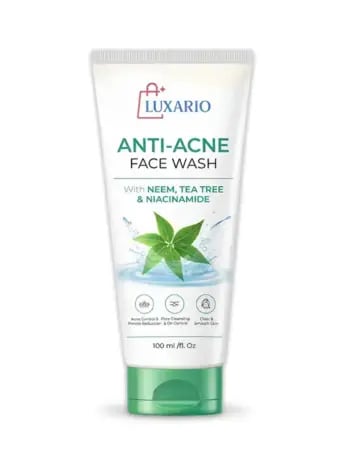
The first step of any routine is cleansing. Choose a product that combines salicylic acid and niacinamide to dissolve oil, unclog pores and calm inflammation. Luxario’s Best Anti Acne Face Wash for Oily Skin | with Niacinamide costs 1199 PKR and is formulated for oily, combination and sensitive skin. Apply a pea‑sized amount to damp skin, massage for 30‑45 seconds, then rinse with lukewarm water. This gentle action can be performed once in the morning* and, if needed, a second time in the evening* – aligning with the recommended frequency for oily skin in Pakistan.
How Often Should You Use It?
Answering the primary query, most dermatologists advise using a niacinamide face wash once daily in the morning for oily skin in humid conditions. If you have a very active lifestyle or heavy sweat, a second cleanse in the evening is acceptable, but avoid more than two washes per day to prevent barrier disruption.
Step 2: Tone and Treat with Lightweight Serums
After cleansing, a lightweight, alcohol‑free toner helps restore pH and adds a thin layer of hydration. Look for ingredients like witch hazel or rose water that are soothing but not stripping. Follow with a serum that contains niacinamide (5‑10%) to further reduce oil shine. Research from the World Health Organization notes that niacinamide improves barrier function and reduces transepidermal water loss, which is crucial in a climate that can feel both humid and drying due to air‑conditioned indoor spaces.
Does Niacinamide Reduce Oil Shine in Pakistani Climate?
Yes. Niacinamide regulates sebum production, making it a valuable ally for those living in Karachi’s 80 % humidity or Lahore’s monsoon season. It also minimizes the appearance of pores, giving a smoother matte finish without the need for heavy powders.
Step 3: Moisturize Without Clogging Pores
Even oily skin needs moisture. Choose a gel‑based, non‑comedogenic moisturizer that contains hyaluronic acid or glycerin. These humectants draw water into the skin without adding oil. Apply a thin layer after the serum; the skin will feel hydrated, not greasy. In humid weather, a light moisturizer prevents the skin from over‑producing oil as a defensive response.
Step 4: Sun Protection – The Final Shield
Sun exposure is a year‑round concern in Pakistan, especially during the wedding season when outdoor events are common. Use a broad‑spectrum sunscreen with at least SPF 30 that is labeled “oil‑free” or “matte finish.” The Facewash & Sunblock collection offers options that sit comfortably under makeup and do not interfere with niacinamide. Apply sunscreen as the last step of your morning routine and reapply every two hours if you’re outdoors.
Does Face Wash Take Off Sunscreen?
Washing your face removes sunscreen, so it’s best to cleanse first, then apply sunscreen. If you need to refresh your skin during the day, use a gentle micellar water that does not strip the sunscreen layer.
Do I Need to Wash Sunscreen Off My Face?
At night, always cleanse to remove sunscreen residue. This prevents clogged pores and allows your skin to breathe while you sleep.
Putting It All Together – The Complete Morning Routine
1. Cleanse with the Best Anti Acne Face Wash for Oily Skin | with Niacinamide. 2. Tone with an alcohol‑free toner. 3. Treat with a niacinamide serum. 4. Moisturize using a gel‑based, non‑comedogenic cream. 5. Protect with an oil‑free sunscreen. This sequence respects the primary question – how often should I wash oily skin with niacinamide in Pakistan – by recommending a single morning cleanse, followed by targeted treatment and protection.
By following these steps, you’ll experience less shine, fewer breakouts, and a healthier barrier even during the most humid months in Karachi, Lahore, Islamabad or Rawalpindi.
Frequently Asked Questions
How often should I wash oily skin with niacinamide in Pakistan?
For most people with oily skin, a single morning cleanse with a niacinamide‑infused face wash is ideal. If you sweat heavily or wear makeup, a second gentle cleanse in the evening is acceptable, but avoid more than two washes per day.
Does niacinamide reduce oil shine in Pakistani climate?
Yes. Niacinamide helps regulate sebum production and improves skin barrier function, which reduces the visible shine common in humid Pakistani weather.
Where to buy niacinamide anti acne face wash online Pakistan?
You can purchase the Luxario Best Anti Acne Face Wash for Oily Skin | with Niacinamide directly from the official Luxario website or authorized local e‑commerce platforms.
How to use niacinamide face wash for oily skin in humid weather?
Wet your face with lukewarm water, apply a pea‑sized amount, massage for 30‑45 seconds, and rinse thoroughly. Follow with toner, serum, moisturizer and sunscreen.
Does face wash take off sunscreen?
Washing removes sunscreen, so always cleanse first and apply sunscreen as the final step of your routine.
Do i need to wash sunscreen off my face?
Yes, at night you should cleanse to remove sunscreen and any accumulated pollutants.
Disclaimer: This article is for general information only and is not a substitute for professional medical advice. Always consult a qualified healthcare professional before starting any new skincare routine or supplement, especially if you are pregnant, nursing, or taking medication.